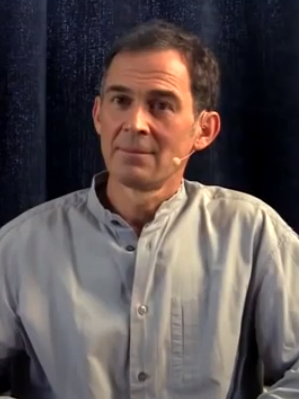
The Alchemy of Acceptance: Embracing What Is
Rupert Spira's assertion that "suffering is the experience of resistance to what is" invites us to examine the intricate relationship between our inner turmoil and our relationship with reality. At its core, this quote suggests that much of our suffering arises not from the circumstances we face, but from our unwillingness to accept those circumstances as they are. This understanding is crucial, as it challenges us to reconsider the sources of our pain and the ways we might liberate ourselves from it.
In a world rife with challenges, the notion that suffering stems from resistance rather than the events themselves can be both liberating and daunting. It compels us to confront the uncomfortable truth that our emotional responses often stem from an internal struggle against the present moment. By recognizing this dynamic, we open ourselves to the possibility of transformation, allowing acceptance to replace resistance and, in turn, alleviating our suffering.
The image / the metaphor
The imagery embedded in Spira's quote evokes a powerful sense of struggle, as if we are caught in a relentless battle against the flow of life. The word "resistance" conjures images of a dam holding back a river, where the water represents the natural course of events. This resistance creates tension, leading to suffering, much like the pressure that builds behind a dam until it eventually bursts. The verbs chosen—"experience" and "resistance"—suggest an active engagement with our pain, highlighting that suffering is not merely an external force but an internal response to our circumstances.
In the speaker's tradition
Rupert Spira's teachings are deeply rooted in the non-dual tradition, which emphasizes the interconnectedness of all existence and the illusion of separation. Concepts such as *sunyata* (emptiness) and *fana* (annihilation of the self) resonate with the idea that our suffering often arises from a false sense of self that resists the inherent nature of reality. In this context, acceptance is not merely a passive resignation but an active engagement with the truth of our existence, allowing us to transcend the limitations of our ego and embrace the fullness of life.
In the *Upanishads*, a foundational text of non-dual philosophy, we find echoes of Spira's insights. The *Taittiriya Upanishad* speaks of the layers of existence, from the physical to the blissful, suggesting that true understanding comes from recognizing the unity of all layers. This recognition aligns with Spira's assertion that suffering diminishes when we cease to resist the truth of our experience, allowing us to move toward a state of peace and acceptance.
Living the teaching
Consider a modern scenario where this teaching might resonate: a person facing the loss of a job. Initially, the individual may experience a whirlwind of emotions—fear, anger, and despair—rooted in the resistance to their new reality. However, as they begin to accept the situation, they might discover new opportunities for growth, creativity, or even a shift in career direction. This acceptance does not negate the pain of loss but transforms the experience into a fertile ground for new beginnings.
In the realm of relationships, the teaching can also find profound application. Imagine a couple navigating a difficult period marked by misunderstandings and unmet expectations. If each partner resists the reality of their feelings and the current state of their relationship, suffering ensues. However, by embracing the truth of their situation—acknowledging their feelings and the challenges they face—they can foster a deeper connection, moving toward healing and understanding. This shift from resistance to acceptance can be the catalyst for profound transformation.
A reflection
As we contemplate Spira's assertion that "suffering is the experience of resistance to what is," we are invited to reflect on our own lives. What areas of your life are marked by resistance? In what ways might embracing acceptance transform your experience of suffering into an opportunity for growth and understanding? Allow this question to linger in your heart as you explore the depths of your own relationship with reality.


Join the BrightStar Community
Stay connected with daily inspiration, event announcements, and community wisdom