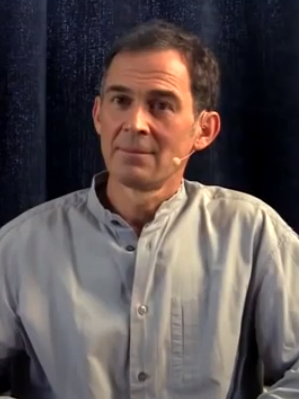
The Essence of Awareness: Discovering Our True Identity
Rupert Spira's assertion, "You cannot find awareness as an object, because you are awareness," invites us to explore the profound nature of our existence. In this statement, he challenges the conventional understanding of awareness as something external or separate from ourselves. Instead, he posits that awareness is intrinsic to our being, a fundamental aspect of who we are. This realization holds significant implications for our spiritual journey, as it encourages us to shift our focus from seeking awareness outside ourselves to recognizing it as our very essence.
In a world often preoccupied with external validation and material pursuits, Spira's words serve as a gentle reminder of the deeper truth that lies within. The quest for awareness is not about acquiring something new but about uncovering the layers of illusion that obscure our true nature. By embracing this perspective, we can cultivate a sense of peace and fulfillment that transcends the transient nature of external experiences. The journey toward recognizing our identity as awareness is both liberating and transformative, inviting us to engage with life from a place of authenticity and wholeness.
The image / the metaphor
At first glance, Spira's quote presents a paradox: how can one be both the seeker and the sought? The imagery of awareness as an object suggests something tangible, something we can grasp or possess. However, Spira's assertion dismantles this notion, inviting us to perceive awareness not as an object to be found but as the very subject that experiences. This shift in perspective evokes a sense of spaciousness, where awareness is not confined to a particular form or location but is an expansive, ever-present reality that permeates our existence.
Diving deeper into this metaphor, we can envision awareness as the vast sky, while our thoughts, emotions, and experiences are akin to clouds that drift across it. Just as the sky remains unchanged regardless of the weather, our true nature as awareness remains constant amidst the fluctuations of life. This understanding encourages us to cultivate a sense of detachment from the transient aspects of our experience, recognizing that they do not define us. Instead, we are invited to rest in the stillness of awareness itself, where clarity and peace reside.
In the speaker's tradition
Rupert Spira's teachings are rooted in the non-dual tradition, which emphasizes the interconnectedness of all existence and the realization of our true nature as awareness. This perspective aligns with concepts such as *sunyata* (emptiness) in Buddhism, which teaches that all phenomena lack inherent existence and are interdependent. Similarly, the notion of *fana* in Sufism speaks to the dissolution of the ego and the realization of unity with the divine. These concepts echo Spira's assertion that our search for awareness must ultimately lead us back to the recognition that we are not separate from it.
In his work, Spira often references the idea of *kenosis*, or self-emptying, which invites us to let go of our attachments and preconceived notions of self. This aligns with the teachings found in the *Upanishads*, where the essence of the self is described as *Brahman*, the ultimate reality that is both immanent and transcendent. By understanding our identity as awareness, we can begin to dissolve the barriers that separate us from this deeper truth, allowing us to experience the fullness of life with greater clarity and compassion.
Living the teaching
Consider a modern scenario where this teaching might resonate: a busy professional feeling overwhelmed by the demands of work and life. In the midst of deadlines and responsibilities, the individual may find themselves searching for moments of peace, often looking to external sources such as vacations or distractions. However, by embracing Spira's teaching, they can begin to recognize that the peace they seek is not found in external circumstances but is already present within them as awareness. This realization can transform their approach to stress, allowing them to navigate challenges with a sense of calm and centeredness.
In the context of relationships, this teaching can also have profound implications. Imagine a couple facing conflict, each partner feeling misunderstood and disconnected. By applying the understanding that they are both expressions of the same awareness, they can cultivate empathy and compassion for one another. This shift in perspective encourages them to listen deeply and respond from a place of awareness rather than reacting from their conditioned patterns. In doing so, they create a space for healing and connection, recognizing that their true identity transcends the roles they play in their relationship.
A reflection
As we contemplate Spira's assertion that "you are awareness," we are invited to reflect on the nature of our own identity. What does it mean to recognize ourselves as awareness rather than as a collection of thoughts, emotions, or experiences? In moments of stillness, we can ask ourselves: How can I embody this understanding in my daily life? By engaging with this question, we open the door to a deeper exploration of our true nature, inviting awareness to guide us in our interactions and experiences.



Join the BrightStar Community
Stay connected with daily inspiration, event announcements, and community wisdom